Power 1: Ignorance to Gnosis
The first of the ten Hermetic powers in CH XIII drives out ignorance. What the dialogue actually means by *gnosis*, and how to use the contrast as a reflective lens — without the modern self-help flattening.
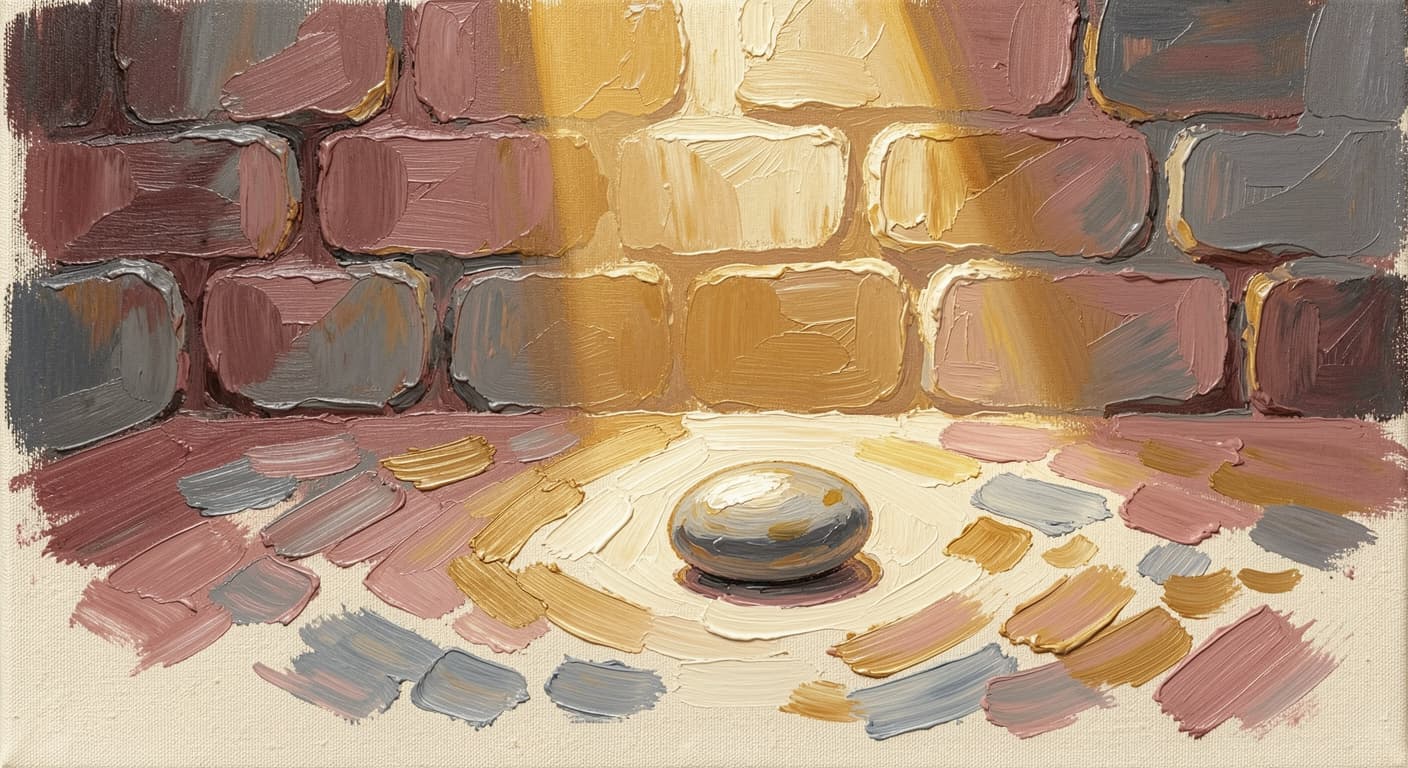
The first of the ten Hermetic powers in Corpus Hermeticum XIII is gnōsis (γνῶσις), translated Knowledge of God in Copenhaver's edition. In the dialogue's frame, this power displaces the first of the twelve tormentors: agnōsia, ignorance. What the dialogue means by gnosis isn't ordinary cognitive knowledge, and what it means by ignorance isn't ordinary lack of information. Knowing the difference is what makes this pair usable as a reflective lens.
What the dialogue means by gnosis
In the Hermetic vocabulary, gnōsis is recognition rather than acquisition. It is the kind of seeing in which what was already true becomes visible. The dialogue's frame is theological — gnosis is of God, of the divine reality — but the structure of the seeing is the same in smaller registers. You can know something for years, in the sense of having the information, and not yet see it. Then one day, you see it. Nothing new arrived. What changed was that what was always true became visible to you.
This is the gnostic structure: the truth was there; you have come into a relation with it that the previous information-having did not constitute.
What the dialogue calls agnōsia (ignorance) is not the absence of facts. It is the state in which the available truth has not yet become visible. The ignorant person is not necessarily uninformed. They are pre-recognitional. The information has not yet landed.
How the pair works as a lens
For reflective practice, the gnosis-ignorance contrast surfaces a specific question that other diagnostic frames miss: is what I'm dealing with here something I don't yet know, or something I haven't yet seen?
The two require different responses. Don't yet know responds to information: research, asking, gathering. Haven't yet seen responds to attention: sitting with what is already known until the recognition arrives.
Most stuck moments in adult life are the second kind, not the first. The information is available. The relevant facts are already in possession. What is missing is the moment in which the facts reorganize into a recognition.
A worked example. A person has been carrying a difficulty in a long-term friendship for six months. They have, in scattered moments, noticed each of the relevant facts: the friend doesn't ask after them; the conversations are increasingly one-directional; the closeness has been replaced by habit. The information is all there. What hasn't happened yet is the gnostic moment — the moment in which the facts reorganize into the sentence this friendship is no longer mutual. Once that sentence is seen, the relationship to the difficulty changes. Nothing new has arrived. What was already true has become visible.
The Hermetic dialogue would call the six months of not yet seeing the period of agnōsia. The arrival of the sentence is the entry of the power.
What the popular reading gets wrong
The most common modern flattening of this pair treats gnosis as knowing more. Read more books. Take more courses. Acquire deeper understanding. This isn't what the dialogue means and it usually doesn't help.
The reflective work that gnōsis names is closer to waiting attentively for what is already true to land. The dialogue treats the power as something that enters — not something acquired through effort. This is structurally different from the self-improvement reading. You can sit with the same information for months and not yet have seen it. You can also see it on a Tuesday morning when nothing in particular has changed.
The dialogue does not give a method for forcing the recognition. It gives a method for becoming the kind of person to whom the recognition can arrive. That method is the practice of remaining attentive to what is in fact present, including the parts that the ordinary mind is structured to skip.
How to use the lens in a session
Three concrete uses.
Diagnostic. When stuck on a difficulty, ask: do I lack information, or do I lack recognition? If the answer is recognition, the work is not more analysis. The work is sitting attentively with what is already in view.
Counterfactual. Ask: if the recognition were already complete, what would I see that I'm not seeing now? Sometimes the recognition is closer than it feels; the question pulls it forward.
Catch the almost-seeing. Most gnostic moments are preceded by a period of almost-seeing — the recognition is at the edge of arrival but hasn't fully landed. Noticing the almost-seeing, in itself, often allows the seeing to complete.
If you want a structured form that draws this power as one of three classical lenses on a specific question, a Mirror Field session is built for this. The dialogue's framing is preserved: the power is treated as a way of seeing that may or may not arrive, not a virtue to acquire through effort.
A small exercise
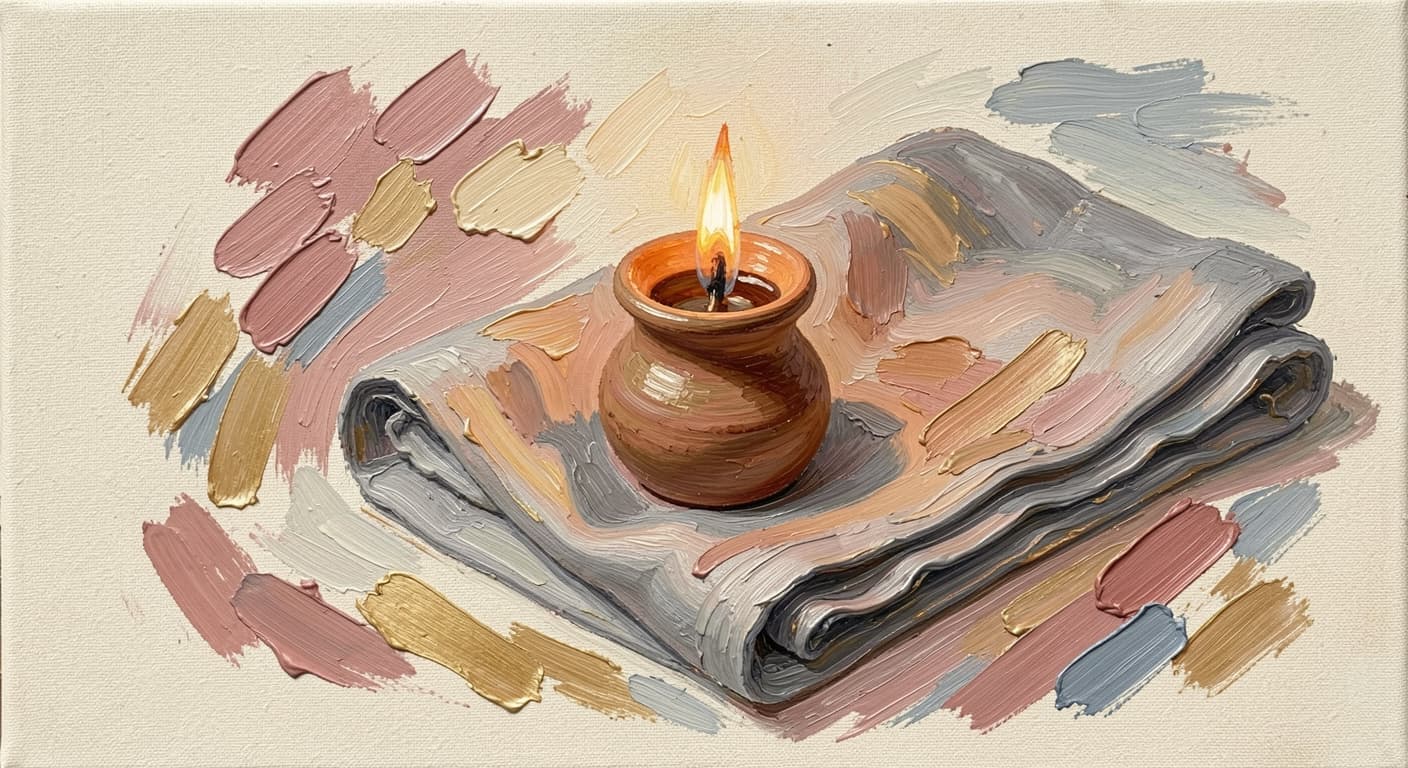
Pick a difficulty you have been carrying for at least three months. Sit with it for two minutes without trying to resolve it. Then ask, in writing: what is already true here that I haven't yet allowed myself to see?
Often the question is unanswerable in the moment. That is consistent with the dialogue's framing. The power is not in your gift. The work is to be available for it. Continued attention to the question, across many sessions, is what the practice asks.
Sources
- Copenhaver, B. P. (1992). Hermetica. Cambridge University Press. ISBN 978-0521425438. [CH XIII §8, on gnōsis and agnōsia.]
You may like
Power 2: Sorrow to Joy
The second of the ten Hermetic powers in CH XIII drives out sorrow. What the dialogue means by *Knowledge of Joy* — and why it isn't what the modern wellness vocabulary calls happiness.
Power 3: Intemperance to Continence
The third of the ten Hermetic powers in CH XIII drives out intemperance. What the Greek *enkrateia* actually means — and why it isn't the modern wellness vocabulary's *self-control*.
Power 5: Injustice to Justice
The fifth of the ten Hermetic powers in CH XIII drives out injustice. What *dikaiosynē* meant in Greek philosophical writing — and how to use it as a reflective lens, not as moral self-policing.